About ImageSwapp
Two photographers. One set of images. Neither knows what the other uploads.
Film swap is a practice where two photographers share the same piece of film to create a joint image — even if they are on opposite sides of the world. The technique is old, but the idea of turning it into an active collaboration between strangers is something analogue enthusiasts have cultivated with increasing intensity over recent decades.
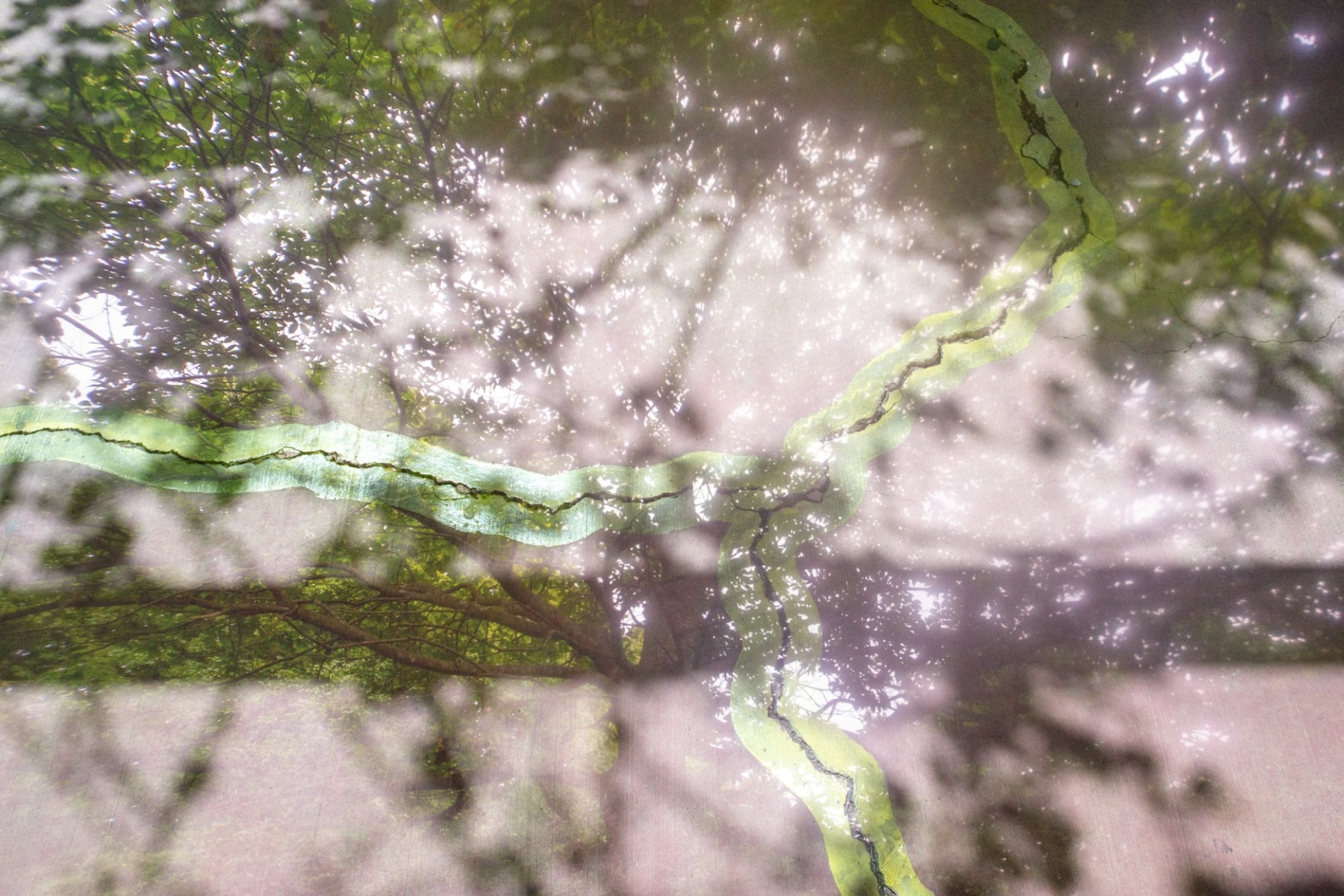
In its classic form, the first photographer takes their pictures, rewinds the film and passes it to the other, who then exposes the same roll again — layer upon layer. Chance plays a crucial role, as the overlap of images creates unpredictable and often enchanting combinations.
The essence of film swap is not the technique — it is trust. There is no way of knowing what the final image will look like, and that makes it unique and unpredictable. You have to trust that what the other person captures — however different from your own — will somehow work. It usually does, and the result is often better than expected.
The film becomes a shared canvas where two universes collide and create something uniquely and unexpectedly harmonious. It shows how art is boundless, and how every encounter opens your eyes a little more.
From analogue ritual to digital practice
In the analogue world, film swap is an elaborate ritual. You shoot a roll, pack it up and mail it to another photographer. They load it into their camera and expose a set of images directly on top of yours. You see the result weeks later, when the film is developed. That delay — and the blind element — is a big part of the charm.
But charm doesn't have to mean inconvenience. What makes film swap fascinating is not the postal service. It is the fact that two people work in complete ignorance of each other, and yet end up creating something together — a blind double exposure from two completely different places — and that can result in incredibly interesting images.
ImageSwapp translates this principle directly into the digital realm: both photographers upload their images independently, neither can see the other's images, and only when both are ready are the two sets combined — image by image, layer by layer. The blind encounter is preserved. The waiting time is abolished.
What happens when two eyes become one
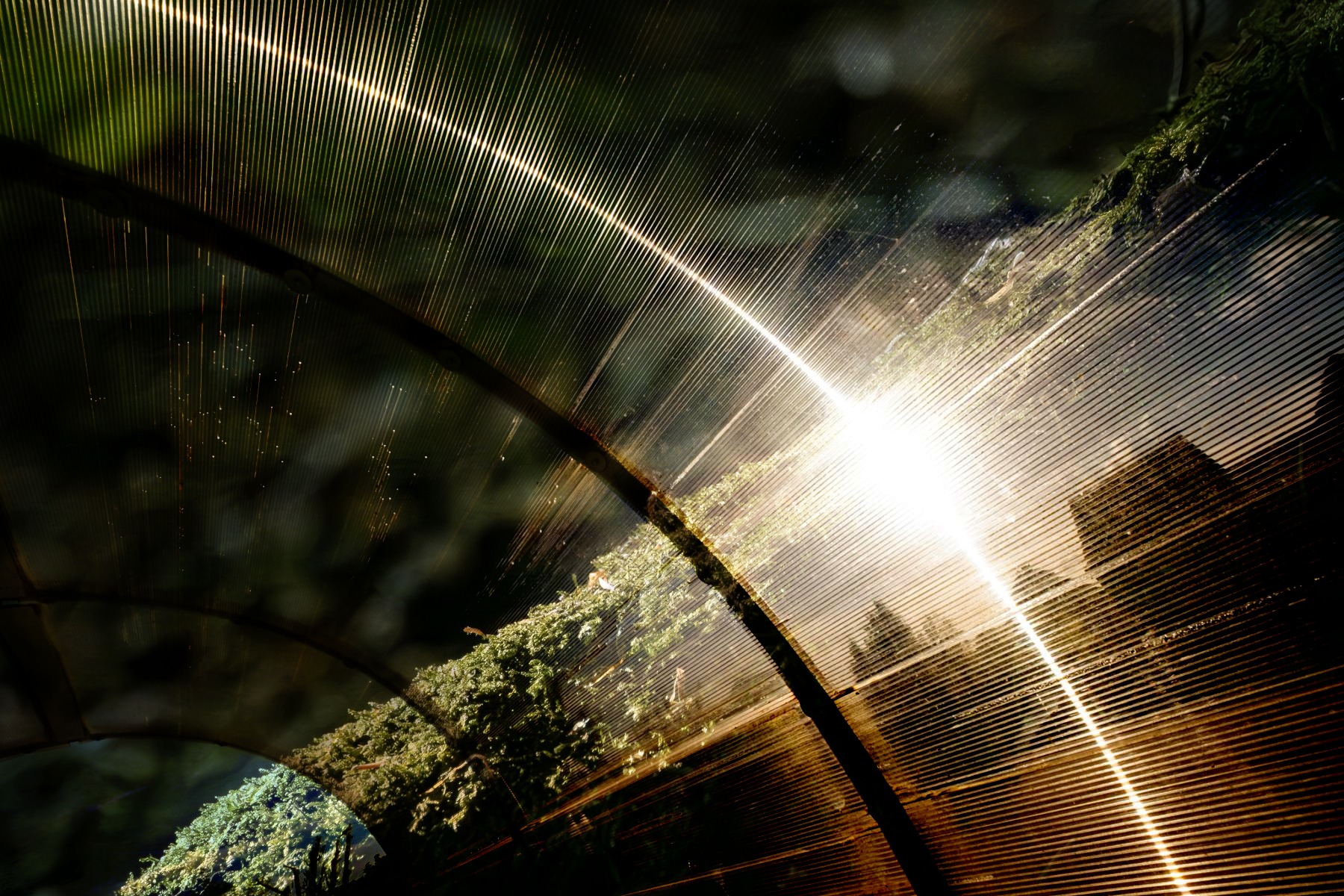
It feels completely different from the double exposures you make alone. You can see entirely different images and styles in the same photo. The collaboration creates a sense of contrast — and the result becomes more than the sum of its parts.
It is also more than aesthetics. Each person brings their own style and creative ideas into the experiment — and with a little luck, something emerges that neither of them could have created alone. When images from two sides of the world meet, it helps break down barriers and promote diversity.
ImageSwapp is built for photographers who dare to relinquish control. Those who understand that an image doesn't have to be their own to be honest. And who are curious about what happens when a stranger sees the world with the same intensity as themselves — just somewhere completely different.
Ready to try it yourself?
Create free account →